Because We're Obsessed | Mar 3, 2026
Milan Fashion Week AW26 (Part 1)
Because It's Show Time | Mar 4, 2026
Milan Fashion Week AW26 Part 2
Beauty News | Oct 3, 2025
Wear your skincare


Skin in the Game
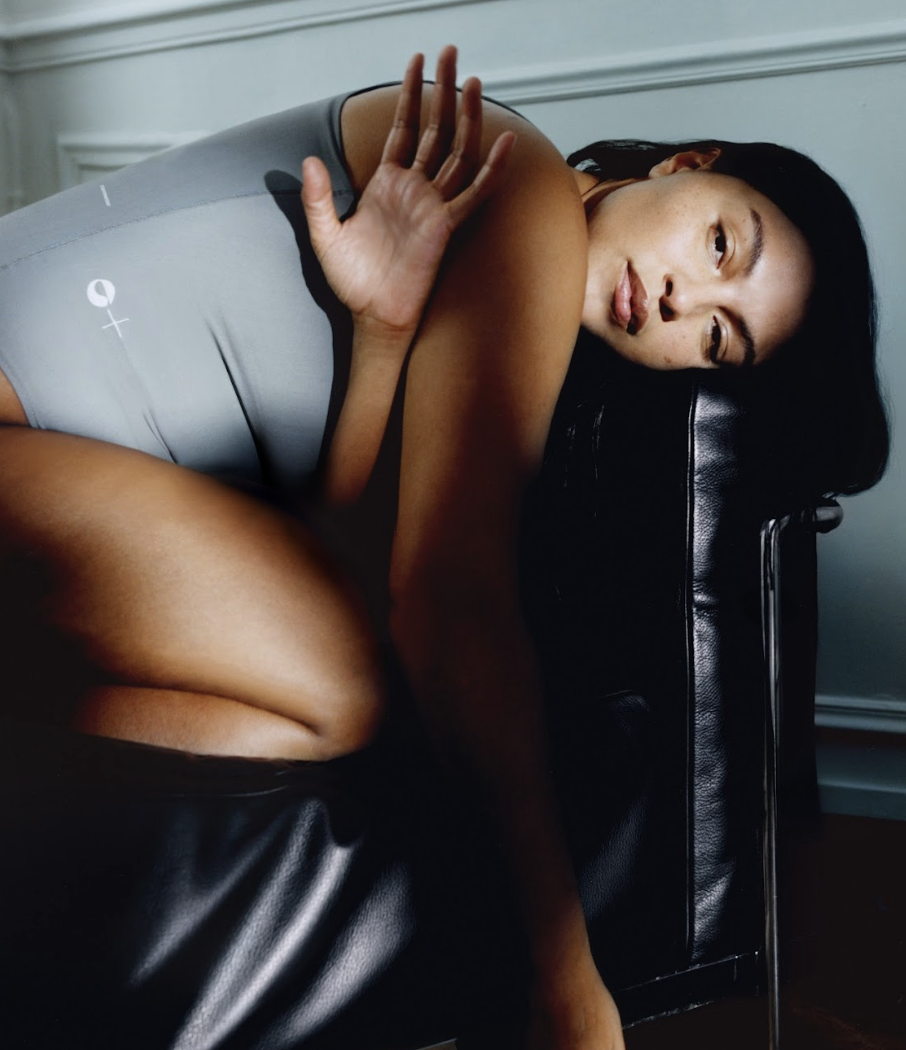
Skincare is in the spotlight at AW26
This season’s shows are signalling that 2026 could be the year skincare officially overtakes makeup as beauty’s primary obsession.
Backstage coverage of fashion week usually invites us into the theatre of makeup artistry. Faces are contoured and re-sculpted with bronzer and blush, eyes exaggerated with pigment and shimmer, lips stained and outlined into perfect proportions. Perhaps more than any other time, fashion week is where we witness makeup becoming a thrilling spectacle.
Backstage at AW26 however, the spectacle looked different. It appeared that brushes were outnumbered by serums; instead of face painting, the focus was on face prepping, making skin, not makeup, the main event.
Numerous fashion labels partnered with skincare brands this season, positioning complexion preparation as part of the creative direction rather than a quick preliminary step. At Johanna Parv and Selasi, Herbar took the credit for the bare-faced beauty looks that appeared on the runway. Replacing the makeup routine was a multi-step skincare ritual: ear seeds (used in Traditional Chinese Medicine as an alternative to acupuncture) applied to stimulate blood flow and reduce inflammation; drainage sculpting with Herbar’s Gua Shroom tool; layers of Mushroom Ceramide Milk Essence pressed into skin; barrier creams and masks to protect and retain hydration; a spritz of Yin Mist and swipe of lip serum to complete the dewy look.
Although makeup wasn’t completely done away with, when it was present it was markedly minimal. Jewellery atelier Completedworks partnered with 111Skin to give models a pre-treatment that would reduce uneven pigmentation, enhance glow and allow the real skin texture to shine through the barely-there makeup that was subsequently applied. A similar approach was taken by Erdem, Labrum and Simone Rocha all of whom promoted their skincare partners - SkinCeuticals, Elemis and Dr Barbara Sturm respectively - as proudly as they once would a makeup sponsor.


The resulting look parading down these runways was one of radiance and effortlessness, models’ faces catching the runway lights like, you guessed it, glass. In Johanna Parv’s show notes, we learn that the aim of this minimal beauty regime was not to chase “polish or perfection”. But to my eye, polished perfection is exactly what it served up.
Fashion’s shift toward skincare hasn’t appeared out of nowhere. The full-beat glam popularised by the Kardashians has, over the past decade, ceded ground to the clean girl aesthetic peddled by Hailey Bieber and brands like Glossier. This subsequently ushered in the era of “no-makeup makeup” and, last year, the anti-mascara movement that took over #beautytok. Even when opposing beauty trends have entered mainstream culture - cue Brat summer - the clean girl aesthetic continues, making it a rare prevailing trend in a world where trends barely last a day.
What we’re seeing unfold at AW26 is distinct from the minimalist beauty trends proliferated by influencers. The aforementioned London-based brands are hardly angling for approval stamps from the clean-girl movement, they are more innovative than that. Indeed, whilst Labrum and Simone Rocha’s recent shows were skincare-focused and minimalist in the makeup department, the beauty still had elements of the avant-garde: the former punctuated faces with gold passport stamps and the latter with multiple eyebrow piercings that stretched the full length of brows. Johanna Parv’s sculptural silhouettes and Selasi’s bold sportswear-coded garments are likewise not aligned with clean girl uniforms.
The bare skin on these runways gave the impression of an insouciance that stands in contrast to the self-disciplined clean girl. But there’s no doubt that it stems from a culture that’s altogether shifting towards more natural ideals of beauty. Pamela Anderson’s first makeup-free appearance at Paris Fashion Week in 2023 made headlines precisely because it felt radical, and ever since, celebrities have been increasingly stepping out bare-faced. It goes without saying that overwhelmingly, these celebs and models already have flawless skin, not to mention conventionally attractive features. Which raises the question: does the elevation of bare skin make beauty more democratic or more unattainable than ever?
The rise of clinical skincare might form part of the answer. Before AW26, clinical skincare had been on beauty editors’ radars who predicted it would be the biggest beauty industry trend of 2026. Clinical skincare – based on dermatological research and often developed by cosmetic surgeons – encompasses both products and procedures. Examples of popular treatments include regenerative treatments like biostimulators and peptides, as well as specialist face massages that offer long-lasting results and promise a natural alternative to facelifts.
At Erdem, celebrity facialist Hadda Akrim was enlisted to perform Express Glass Skin Sculpting Facials using SkinCeuticals - a brand founded by world-renowned dermatologist Dr Sheldon R. Pinnell - employing massage techniques that encourage lymphatic drainage and create that ‘snatched’ effect. It certainly appears to have worked, though Erdem did not wave goodbye to makeup entirely: it was kept simple, light and natural.


These treatments are undeniably revolutionising skincare but also, it would seem, nudging makeup to the sidelines. As we witness the fashion girls ditching the contour and concealer that we rely upon to chisel cheeks and blur blemishes, those treatments seem ever more attractive. But of course, they come at an extortionate cost and still do not guarantee that you’ll emerge as a siren.
Makeup has long carried a feminist paradox: dismissed as pandering to the male gaze and narrow beauty ideals, yet also embraced as creative self expression. There is liberation in not feeling pressured to wear it but there is also an accessibility, as well as joy, in it. A tube of concealer can camouflage a breakout in seconds whereas clinical skincare demands time, knowledge and, most crucially, wealth. Until fashion embraces imperfect skin and unsymmetrical faces, makeup will remain a fairy godmother to the masses.