Female Founded | Oct 16, 2025
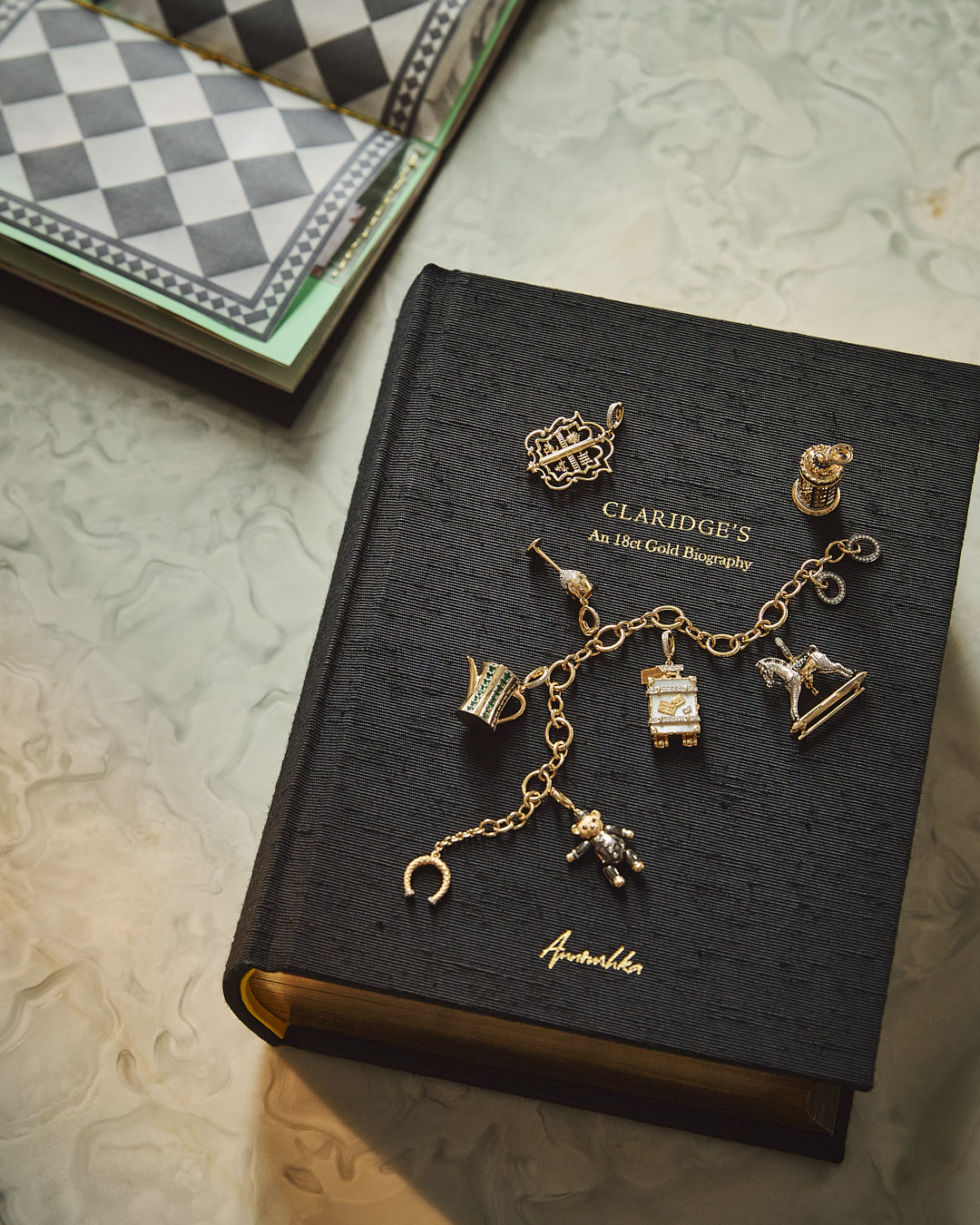
Female Founder: Telah Jewellery
Because We're Obsessed | Oct 2, 2025
Working it out
Because We're Obsessed | Aug 1, 2025
SHAPING TASTE

The Sartorialist. Milano
Scott Schuman's new visual and emotional atlas of a city
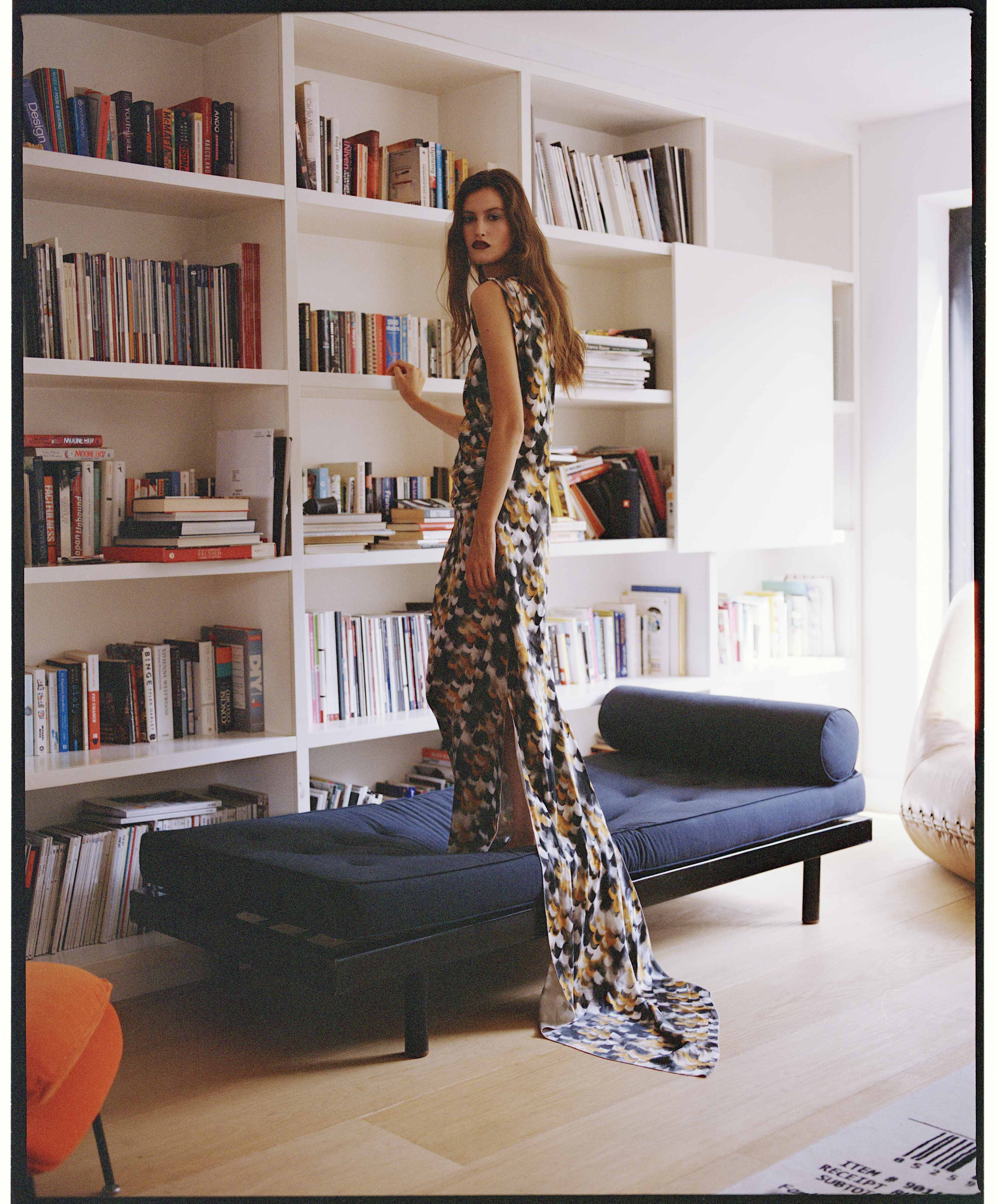
The Sartorialist unveils the mystery of his adopted home city, Milan, in a new 248 page tome published by Taschen
Milan has always rewarded those who look a little closer, and Scott Schuman’s The Sartorialist. Milano makes a compelling case for why this city—and this book—deserves pride of place on your coffee table. It is Milan not as a postcard, but as self‑portrait: a city whose “apparent severity and austerity… conceal and protect a gentle heart,” as Giorgio Armani writes in his final essay, and whose true grace only emerges for those patient enough to stay and really look.
For Scott, Milan began as an obsession at a distance, a “mystery” city without the cinematic mythology of Paris or New York, barely written about in magazines and almost absent from fashion’s visual canon. Before he moved there, he invented his own romantic idea of what Milan must be like; living there, he discovered how wrong the old cliché of a grey, industrial stopover was (and let's get real, there is sometimes a small grain of truth to clichés!), and how much beauty lives in what others ignore—jungle terraces three floors up, a tiny decorative flourish welded onto a banal metal traffic arm in Palazzo Durini’s courtyard, a city that reveals itself slowly if you keep walking and keep looking up. "I was also surprised how small it actually is as a city," Scott shares with us. "No question it competes with all of the fashion capitals but it’s a quarter of the size of most of those places. The effect of that is that the city is dense in style and fashion in a way no other city in the world compares."


Mr. Armani’s text gives the book unusual emotional weight: he describes Milan as the city where he became “a man, then a designer, and finally a designer‑entrepreneur,” and ultimately as his own self‑portrait. His Milan is one of aristocratic restraint and “polite vanity,” where elegance is pragmatic rather than showy and style is a discreet invitation to discover the person behind the façade, and he sees that same language in Scott’s photographs. Mr. Armani's passing last year was the end of an era in Italian design, though his legacy lives on and this last essay from the man himself is testament to his work ethic, and quiet determination to start again every morning.
What makes this book—and Scott’s wider body of work—unique is the way he has redefined street style, shifting it from outfit reportage to human portraiture. Early on, he realised that quick shots of interesting clothes weren’t enough; shy (though when you get to know him, not so shy!), he shot fast, but missed the emotional charge he was seeking, so he began treating the clothes the way a costume designer might, building an image around people whose presence—strong or timid—combined with what they’re wearing to suggest who they might be, which is why so many images from a decade or two ago still feel strangely contemporary.
His process is quietly radical in its simplicity: a few frames, an enthusiastic “Got it!”, a pause to talk, and then, in the moment when the subject relaxes into their natural posture because they think the shoot is over, he asks them not to move and makes the real picture. Over time, his images have also loosened from static portraiture into something more fluid—bikes flying down Via Venezia, Vespas in Corso Genova, figures in motion at rush hour—so that the city itself becomes a moving set, stitching together fashion editors, workers, skaters, athletes and businessmen into one continuous, lived‑in narrative.
The book also explains, visually and in words, why Milanese style feels so distinct, and why it matters beyond trend. Scott notes that “Milanese love fashion but they worship style and beauty! They buy items that have just enough fashion to be current but enough style not to be momentary. They also are great at keeping great items, wearing them a lot but remixing the looks so they always seem fresh! Even old statement items from Prada or Dolce I see on the streets are worn with current items that keep them feel relevant." Closets are often smaller and more tightly edited than outsiders imagine, supported by thriving alteration ateliers and shoe repair shops, and this attitude—respect for clothes, long‑term thinking—reads as an early, authentic version of sustainability long before the word became a slogan.


As an object, The Sartorialist. Milano is more than a fashion book; it’s a visual and emotional atlas of a city and a key chapter in the evolution of street photography. Across its 248 pages, you move from the Duomo to Navigli, from Mr. Armani’s backstage to Porta Venezia skaters, from Miuccia Prada and Beppe Modenese (a key architect to Milan becoming the fashion week capital of the world) to anonymous cyclists at golden hour (usually with a great pair of heels!), all framed by a gaze that resists spectacle in favour of sincerity and nuance. On your coffee table, it works on multiple levels: as an exquisite object to leaf through, as a masterclass in how to look at people and cities, and as a record of how one photographer’s singular eye turned everyday streets—here and around the world—into one of fashion’s most enduring love stories.
The Sartorialist. Milano is now available to order HERE