Because We Smell Good | Jun 30, 2026
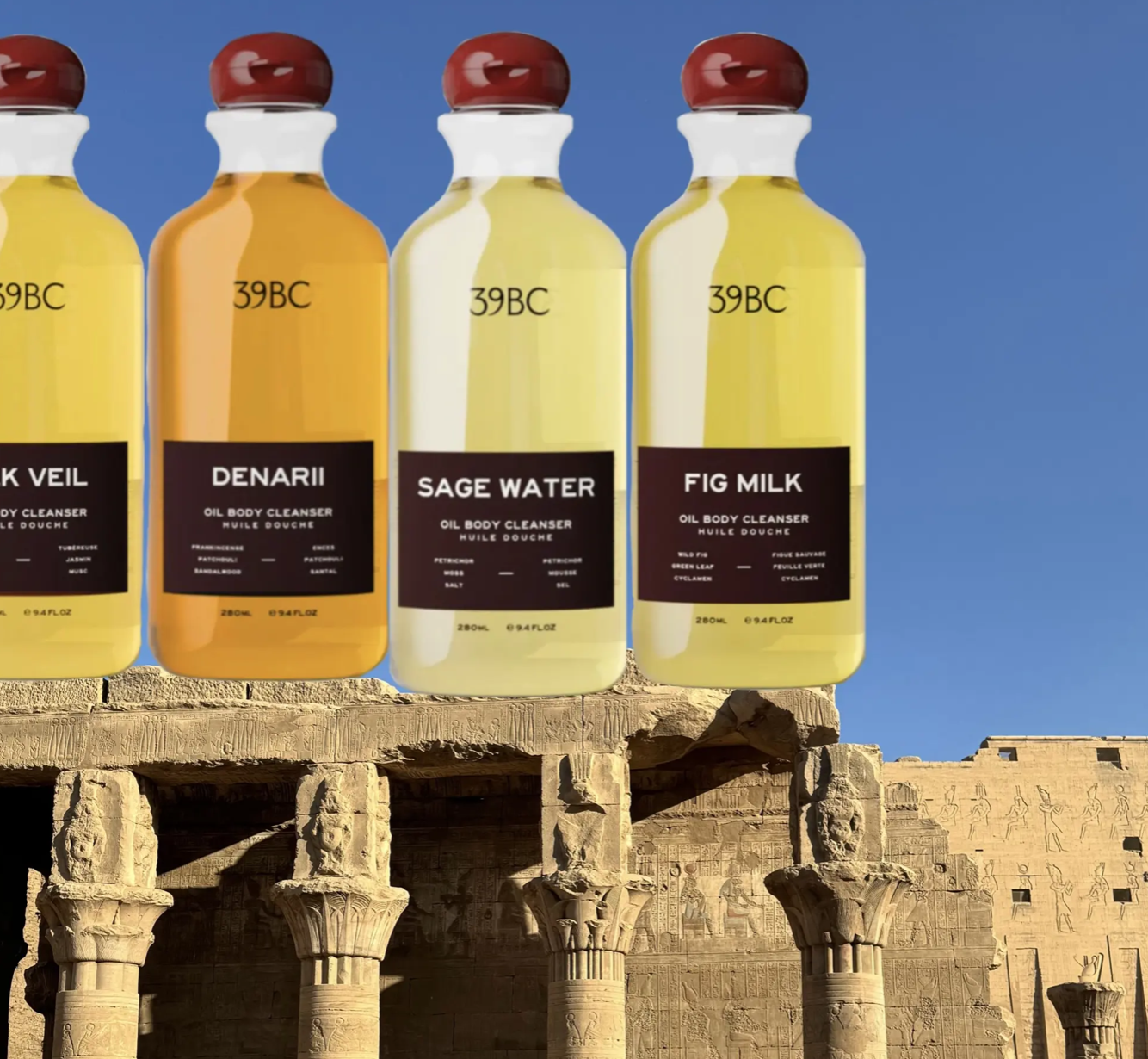
39BC: The Art of Bathing
Female Founded | May 12, 2026
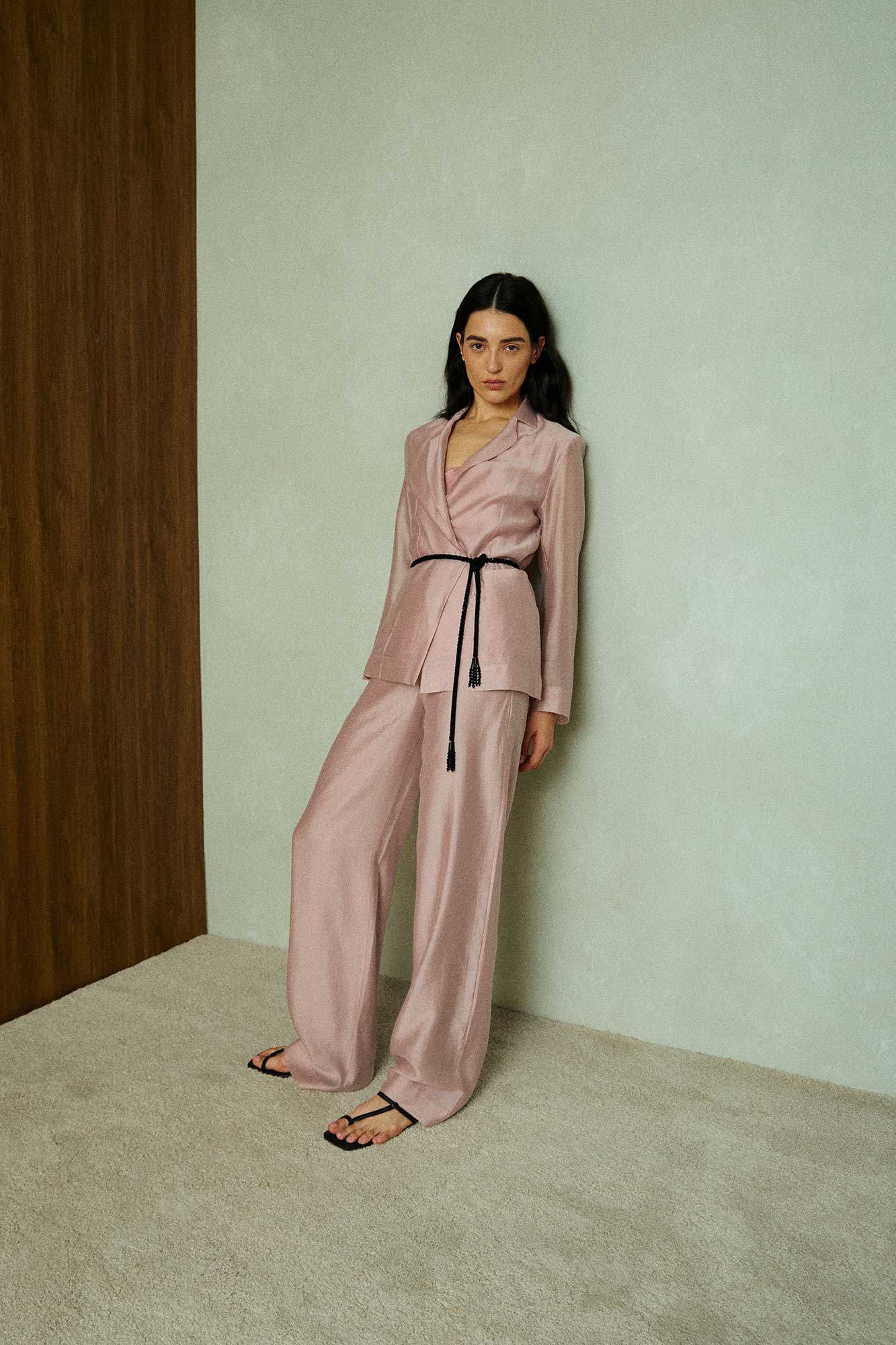
Female Founded: Abadia
Female Founded | Jun 4, 2026
Female Founded: Silke

Huguette
Cameroonian craftsmanship meets British tailoring.
In an industry driven by trends and mass production, emerging designer Huguette Tchiapi is challenging the system: What if the future of fashion lies in preserving the past?

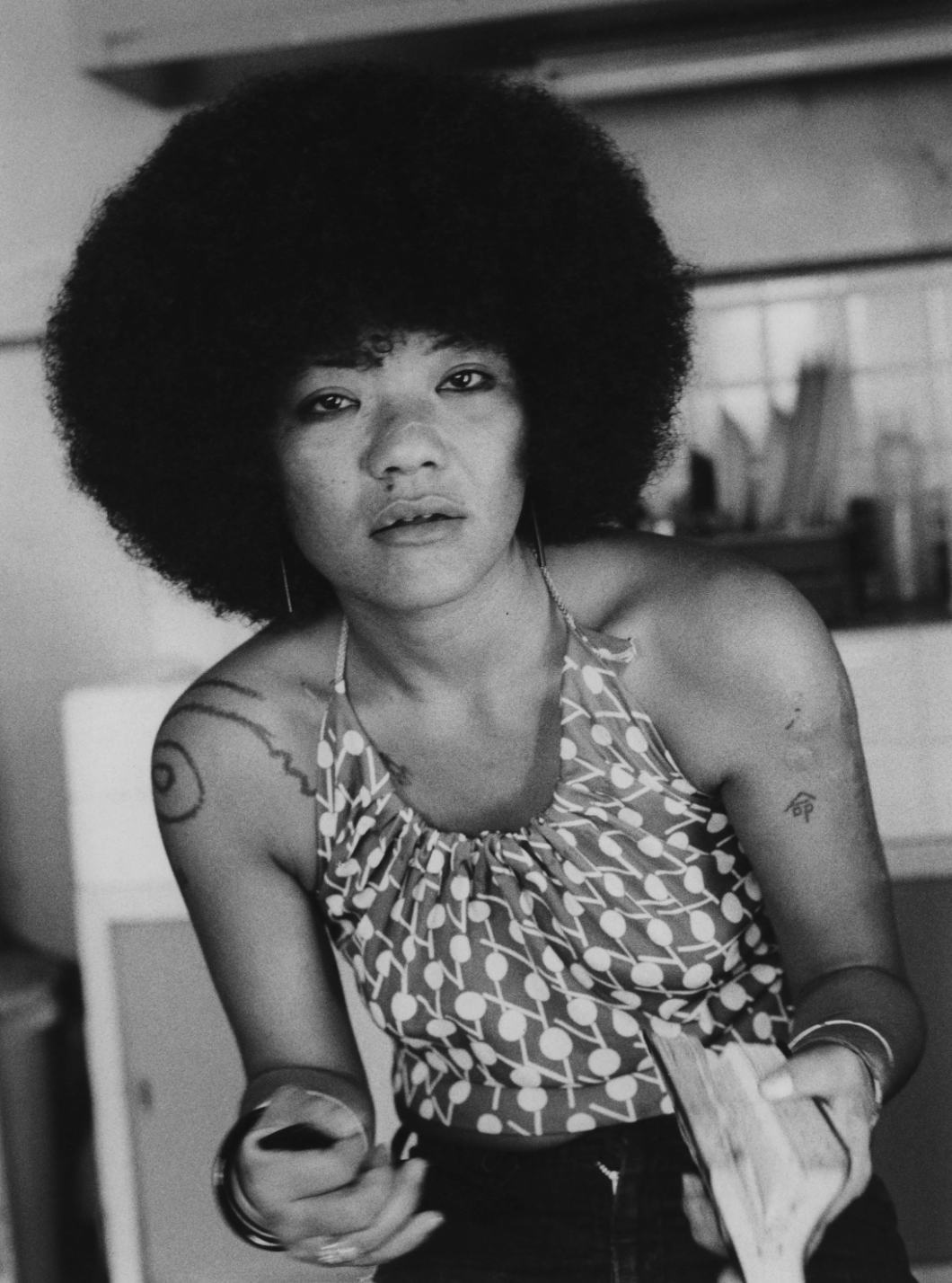
Based in London, Huguette Tchiapi is redefining menswear through a dialogue between two seemingly contrasting worlds. On one side lies the precision and sharp silhouettes of British tailoring. On the other is the rich textile heritage of Cameroon, where generations of artisans have passed down traditional techniques by hand. Huguette's eponymous line creates garments that honour the past while offering a new vision for the future of fashion.
At the centre of Huguette's work is Ndop, a textile originating from the Grassfields region of western Cameroon, around Baham, Bandjoun and Bafoussam. The process begins on traditional bamboo looms, where artisans weave cotton into fabric by hand, taking up to 2 weeks to create the weft of cotton by a single artisan. “With Numéro 01, I really wanted to create a focus on Ndop and show this beautiful but quite unknown craft,” Huguette tells us.
Today, however, traditional crafts like the creation of Ndop are facing increasing pressure. Industrial manufacturing allows cheaper imitations to be produced quickly and at scale, replacing the handmade techniques that have sustained communities for generations. As fashion is working at a faster pace, the traditional fabrication of Ndop is unfortunately becoming a dying craft. For Huguette, "it's important to know the people behind each garment that was made, but also to grow an awareness of these crafts, as many of them are slowly dying due to mass industrialisation." In a fashion industry often disconnected from its makers, her work seeks to reconnect garments with the communities and skills that bring them to life.
Huguette's commitment to craftsmanship extends beyond textiles. Her jewellery incorporates recycled Ghanaian glass beads, transforming discarded bottles into vibrant accessories that carry both beauty and history. Each bead represents a second life for a material that might otherwise have been thrown away, reflecting the brand's belief that value can be created through care rather than consumption.
Similarly, her work with capiz and cowrie shells native to Cameroon beaches and rainforests reinforce her commitment to preserving and showcasing her heritage through design. Even the inner shell of bamboo, often overlooked as waste, is repurposed into beads, demonstrating how traditional craftsmanship can transform the ordinary into something meaningful. This philosophy is mirrored in her made to order model where each piece is made with dedication and care, creating not only a garment but a piece of art.
The collection is produced in London through a workshop located close to her home, where technicians worked closely with Huguette to develop new sewing methods capable of handling the delicate handwoven Ndop fabric. "Building a relationship with these technicians and all the artisans has allowed the collection to shift and move in ways I hadn't anticipated," she reflects, highlighting the collective spirit that underpins the brand.


What makes Huguette's work particularly compelling is the way it challenges conventional ideas of luxury. In a world where fashion is often measured by logos and exclusivity, she proposes a different definition: luxury as craftsmanship, time and human connection.
This philosophy appears to resonate with a new generation of consumers. "Right now, there seems to be a big wave of people in my generation wanting to be more conscious of their global footprint and consumption, as well as leaning towards natural fibres and craftsmanship within their wardrobe," says Huguette. As conversations around sustainability and overconsumption continue to grow, consumers are increasingly questioning not only what they buy, but how it's made and who made it.
Despite initially worrying that people might struggle to connect with the artisanal focus of the brand, Huguette found the opposite. "At first I was unsure of the response I would receive when introducing the work of these artisans, but everyone has been really receptive to these crafts and also felt a real connection to the artisans."
As younger generations shift towards more conscious consumption (we think and hope!), brands like Huguette offer a glimpse into fashion's future. By prioritising craftsmanship, transparency and cultural preservation, but cut in modern and elevated styles, they challenge the business models that have come to dominate the fashion industry for decades. If changing consumer attitudes are any indication, it's brands like Huguette that may prove the most influential.
Their website is now live at https://huguette.uk/projects