Because We're Obsessed | Feb 12, 2026
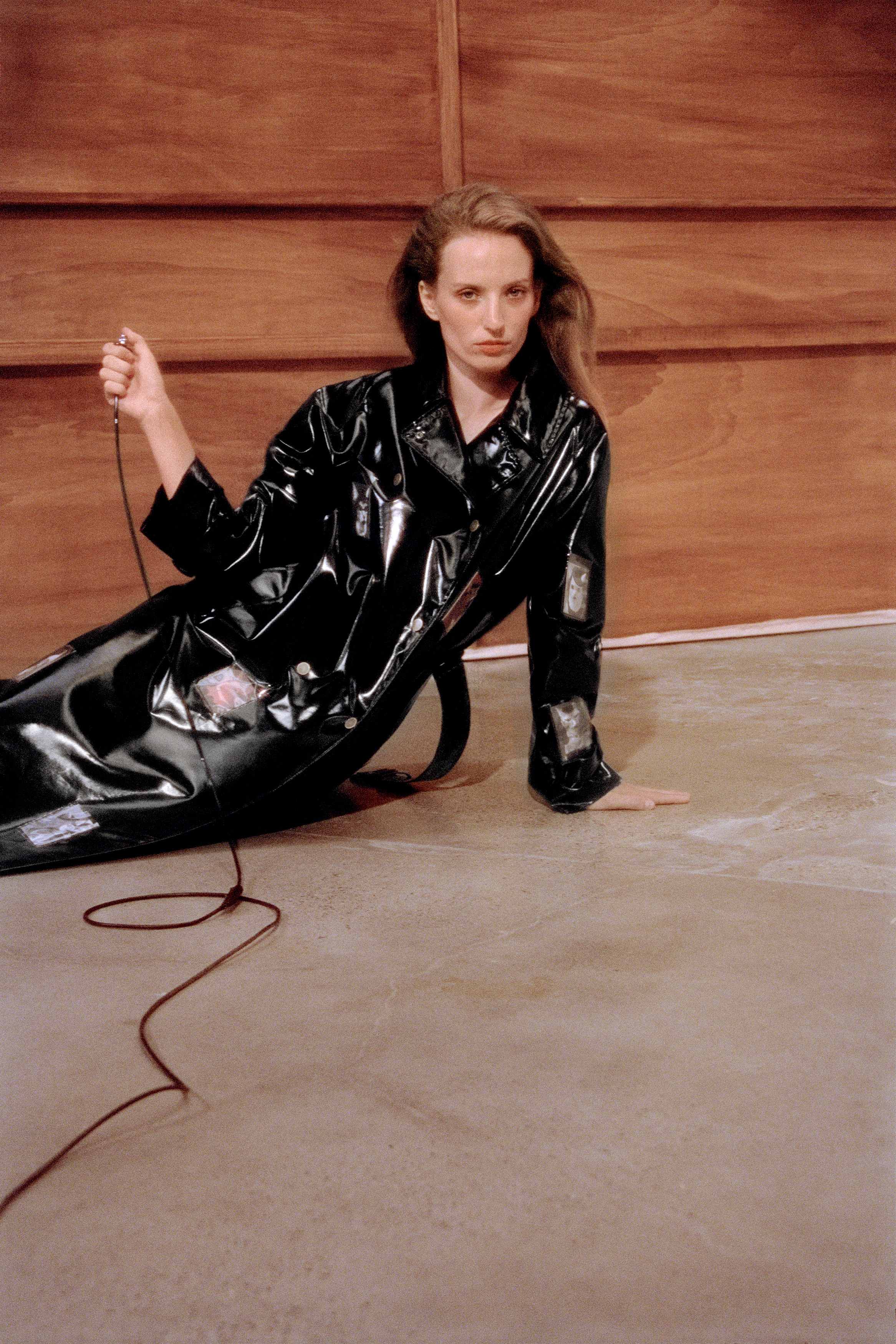
One Trench, Five Ways
Because We're Obsessed | Feb 12, 2026
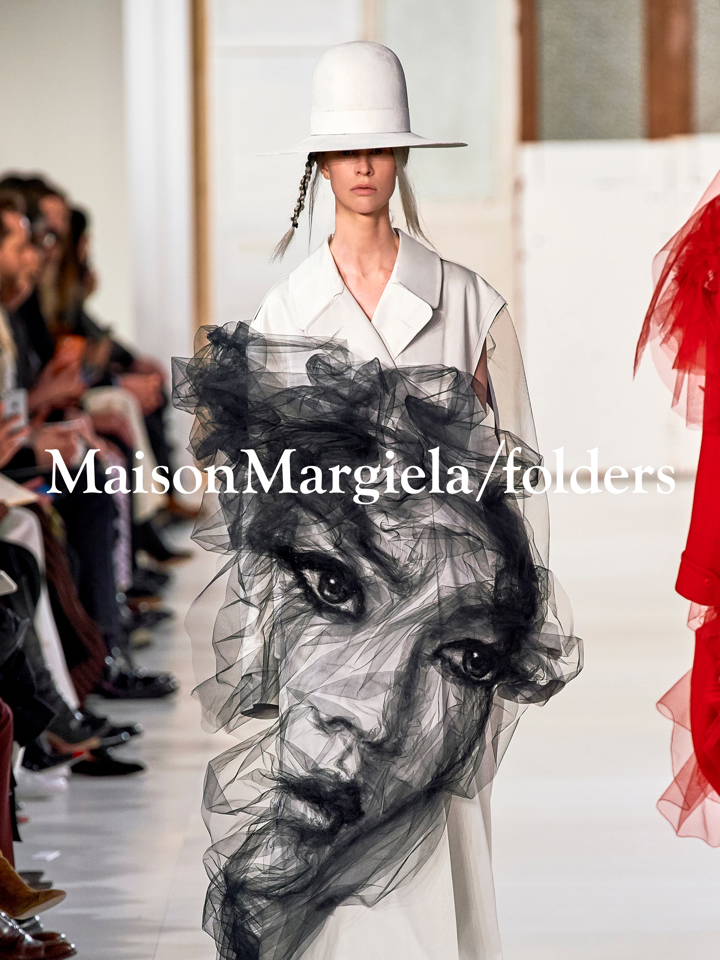
Margiela becomes an open book
Because We're Obsessed | Feb 17, 2026
Friends, Family, Lovers & Alessandra Rich


Make Do and Mend
The beginning of a love affair with repair
On a rainy Monday afternoon, the Because team gathered to learn how to darn holes and repair wardrobe pieces that deserve another chance to shine.
I decided to invite Lucy of @Lucethread to the Because HQ for my first workshop in darning, for a simple, slightly sheepish reason: my knitwear cupboard had become a graveyard of moth-eaten favourites. Jumpers I still loved and wore were quietly disintegrating, peppered with holes that felt increasingly impossible to ignore. There’s only so long you can pretend a thumb poking through a sleeve is a Comme Des Garcons piece. I wanted to adopt a proper Make Do and Mend attitude — not just as a slogan, but as a skill — and learn how to repair what I already owned. Enough sitting on the couch watching the Repair Shop, it was time to take matters into my own hands.
The workshop was intimate, just eight of us from the TANK and Because team gathered around a table scattered with wool, needles, wooden mushrooms and Lucy's sample darned pieces. Oh, and everyone brought their well-worn knits, my own pile embarrassingly high. Lucy introduced darning with an ease that immediately dissolved any intimidation. Her method was beautifully logical: first stitching in one direction to create a framework, then weaving the thread back the opposite way and threading through a patch, to build a new fabric that gently sealed the gap.
When it was our turn, the room settled into a focused hush. Heads bent over jumpers, scarves and tops that had clearly lived full lives. The process of darning is slow and deliberate; you can’t rush it. Each stitch demanded attention. At moments it was frustrating — thread slipping, tension uneven — but that was quickly replaced by a deep, almost meditative calm. There was something profoundly satisfying about seeing fragile cloth strengthened by your own effort.


What surprised me most was how creative the final decisions became. Once the mechanics were mastered (or rather, less mastered, more initiated!), we faced a series of aesthetic choices: whether to camouflage the repair or celebrate it with a bold contrast thread; whether a fine yarn would whisper or a heavier weight would declare itself proudly. These tiny design dilemmas sparked quiet conversations and appreciative glances around the table, a shared recognition that repair can be as expressive as creation. Lucy's constant encouragement was a big help too.
By the end of the session, my once-embarrassing hole in a favourite Guest In Residence sleeve had transformed into small, intentional marks of care. Sure, it looks like an abstract, expressionist painting etched in thread, but I left with more than a mended jumper. I carried home a renewed respect for the clothes I own and the time invested in preserving them. In a culture obsessed with the new, spending an afternoon learning to cherish the old felt quietly radical — and entirely joyful.
Learn more about Lucethead https://www.instagram.com/lucethread/?hl=enhttps://www.instagram.com/lucethread/?hl=en